

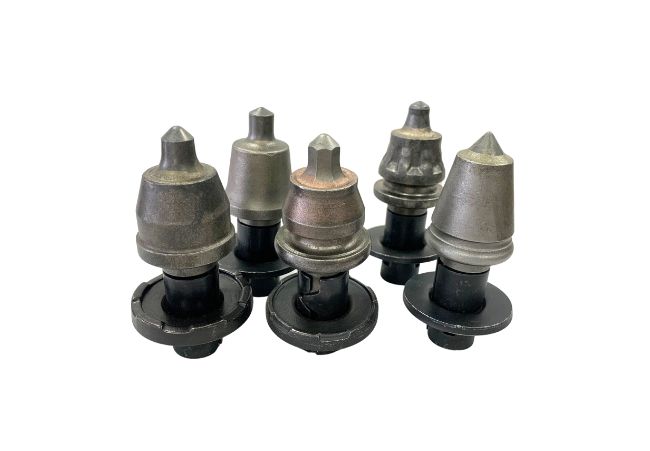
Road Milling Bits
Road Milling Bits – Built for Performance & Value
Work Faster & Smarter – Precision milling for quick repairs and smooth surfaces, boosting project efficiency.
Made to Last – High-quality materials ensure long-lasting, reliable performance, lowering your maintenance costs.
Adapts to Any Job – Versatile design handles all types of roads, from city streets to airport runways.
Quality You Can Trust – Manufactured with strict controls for accurate, consistent results and better road quality.
Save Energy & Money – Efficient operation reduces energy use, cuts costs, and maximizes your return on investment.
Pavement milling, also known as cold planning, is a fundamental process in infrastructure repair and rehabilitation. It involves the controlled removal of existing asphalt or concrete surface layers from roads, bridges, and other paved areas using specialized cold milling machines or cold planers. A key driver for this process is recycling; the milled material is efficiently broken down into small, reusable aggregate, known as Reclaimed Asphalt Pavement (RAP), which forms a valuable component in new asphalt mixes, promoting sustainable construction. At the heart of this operation lies the critical component: the road milling bit (also commonly referred to as milling teeth, cold planer teeth, or carbide-tipped cutting tools). These bits are the direct interface with the pavement, determining the efficiency, cost-effectiveness, and quality of the entire milling project.
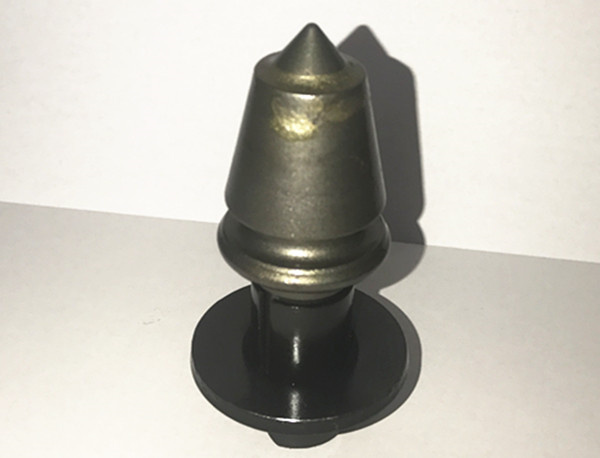
Anatomy & Function of a Road Milling Bit
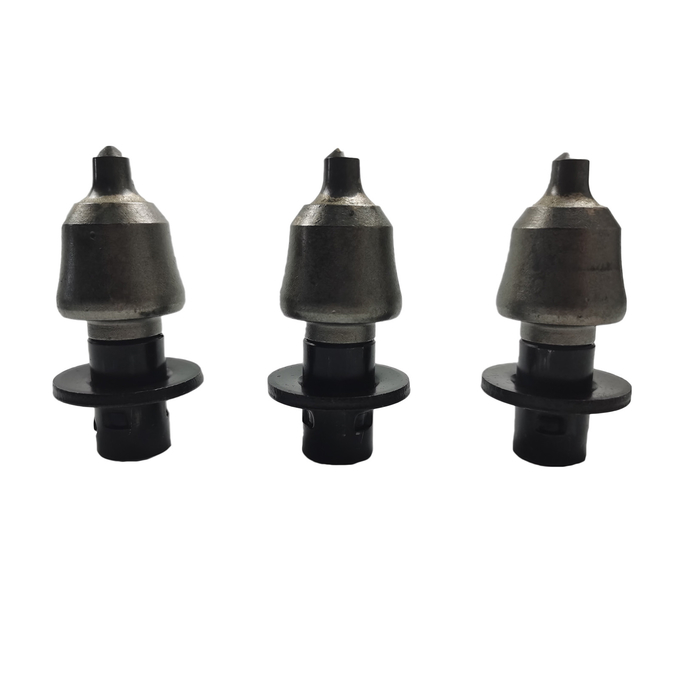
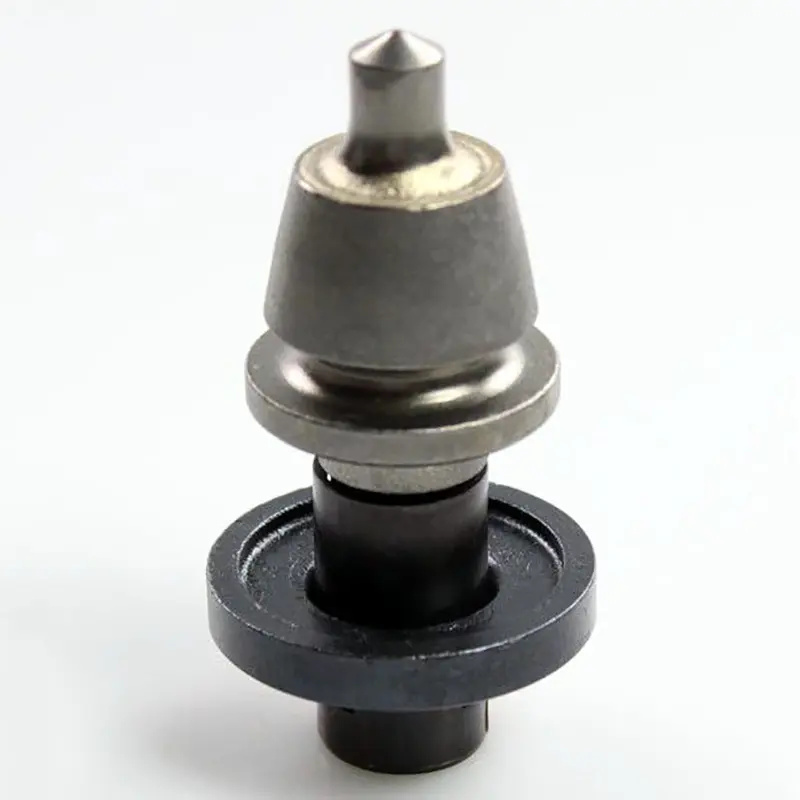
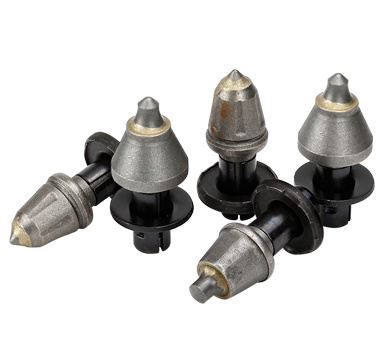
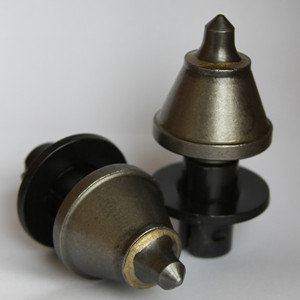
A road milling bit is a precision-engineered wear part designed for extreme abrasion and impact. Its primary function is twofold: to fracture and loosen the rigid pavement matrix and to cut it into uniform, manageable chips suitable for recycling. The standard construction of a high-quality road milling tooth includes:
Tungsten Carbide Tip: The cutting point, made from a hardened, wear-resistant carbide grade, is responsible for the actual penetration and breaking of the asphalt or concrete.
Brazing Steel Body: The robust shank provides structural strength and houses the carbide tip, which is securely attached via a high-temperature brazing process for maximum durability.
Wear Plate/Shield: A hardened steel ring or plate positioned around the body to protect it from abrasive wear, significantly extending the service life of the milling tool.
Clamping Sleeve/Retaper: This component, often a part of the tool holder system on the milling drum, secures the bit in place, allowing for quick and easy rotation or replacement when worn.
These bits are mounted in rows onto a large rotating drum—the core of the road milling machine. As the drum rotates, hundreds of these carbide-tipped road milling bits strike the pavement at high speed, performing the precise removal work.
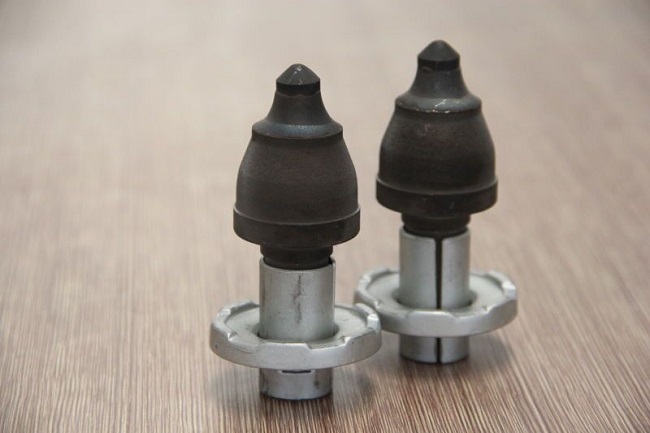
Road Milling Bits have multiple advantages in road milling that make them the tool of choice for the construction industry:
1. Efficient performance: Road Milling Bits provide precise milling capabilities to quickly and efficiently repair road defects and level the road surface, increasing construction efficiency.
2. Durable and Reliable: Constructed from high quality materials, Road Milling Bits are hard-wearing and durable, ensuring long service life and consistent, reliable performance that saves on replacement and maintenance costs.
3. Versatile design: Road Milling Bits are designed to be flexible and adaptable to a wide range of road milling jobs, whether it's a city road, a highway or an airport runway.
4. Quality Assurance: Road Milling Bits are manufactured under strict quality control and precision to ensure accurate milling results, providing reliable assurance for road construction and improving road quality.
5. Energy saving and cost reduction: Road Milling Bits are energy efficient, reduce energy consumption, improve construction efficiency, help reduce construction costs, save resources and realize economic benefits.
In summary, Road Milling Bits have become an indispensable tool in the field of road milling due to its high efficiency, durability and reliability, versatile design, high quality guarantee and energy saving and cost reduction.
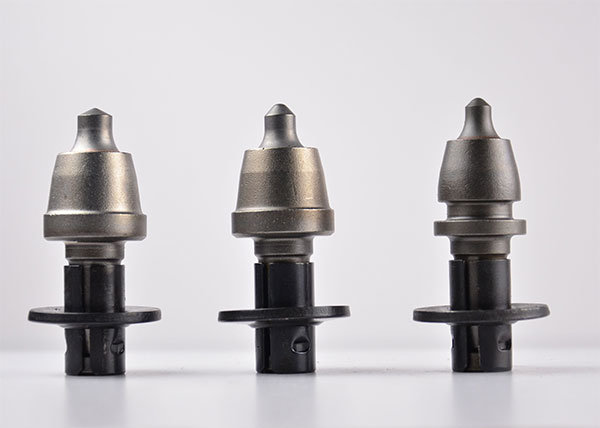
Primary Application Scenarios
Where Road Milling Bits Are Deployed
Road & Highway Rehabilitation
The most common application is the removal of deteriorated surface courses on roads and highways before repaving. Milling teeth efficiently strip away rutted, cracked, or oxidized asphalt to a specified depth, creating a clean, sound base for the new overlay and correcting road profile.
Complete Pavement Removal & Profiling
For more extensive repairs or full-depth reclamation, cold planer teeth are used to remove multiple layers of pavement down to the base or subbase. They are also used for precise grading and sloping to improve drainage or prepare surfaces for new construction.
Airport Runway & Taxiway Maintenance
Maintaining a perfectly smooth and friction-optimized surface is critical for airport safety. Specialized milling bits are used for precise, shallow milling of runways to remove rubber deposits, level surfaces, and restore required texture without compromising the structural integrity of the pavement.
Utility Trenching & Surface Grooving
Road milling machines equipped with appropriate cutting tools can be used for cutting precise trenches for utilities or creating grooved patterns on concrete surfaces to enhance skid resistance, particularly on bridges and steep gradients.


 WHATSAPP